Validation of FDA-Regulated Medical Device and SaMD Products Using AI, ML, and LLMs, such as ChatGPT
Duration: 90 Minutes
FDA is modernizing how it works with data, and AI, machine learning (ML) and large language models (LLMs) such as ChatGPT are changing how medical device and SaMD products are built and reviewed. The agency set a June 2025 deadline for its centers to integrate generative AI and announced Elsa, a secure GovCloud tool that can summarize reports, help review safety data and flag facilities for inspection, with the aim of shortening submission reviews.
This 90-minute webinar explains how FDA and life science companies are using these tools, why LLMs act as a black box that depends on quality-checked data, and how the proposed VALID Act's firm-based approach would shift oversight to how products are developed. It covers SaMD Pre-Specifications and the Algorithm Change Protocol, the AI/ML SaMD Action Plan and GMLP, and the Total Product Lifecycle approach, where documented risk analysis can sometimes replace a new 510(k).
It also reviews computer system validation, FDA's Computer Software Assurance (CSA) approach, GAMP 5 Second Edition and software validation and maintenance.
- Describe how FDA and life science companies are using AI, ML and LLMs such as ChatGPT
- Explain the risks of LLMs as black-box tools and why input data must be quality-checked
- Use SaMD Pre-Specifications and an Algorithm Change Protocol to assess the risk of changes
- Explain the AI/ML SaMD Action Plan, GMLP and the Total Product Lifecycle approach
- Apply CSV and CSA principles in line with GAMP 5, Second Edition
- Plan validation across the SDLC, from requirements and risk assessment to IQ, OQ and PQ
- Validate cloud, COTS, SaaS, SiMD and SaMD solutions in line with FDA expectations
- Artificial intelligence (AI) and machine learning (ML)
- Large language models (LLMs) such as ChatGPT
- GxP systems
- Computer system validation (CSV)
- Computer software assurance (CSA)
- Critical thinking
- GAMP 5, Second Edition
- System development life cycle (SDLC)
- GMP, GLP and GCP
- Validation planning
- Requirements
- Risk assessment and mitigation
- Installation qualification (IQ)
- Operational qualification (OQ)
- Performance qualification (PQ)
- Automated testing
- Cloud services
- Commercial off-the-shelf (COTS) software
- Software as a service (SaaS) solutions
- Software in a medical device (SiMD)
- Software as a medical device (SaMD)
- FDA compliance and trends
- Industry best practices
AI, ML and LLMs bring a chance for greater efficiency in the software development life cycle, but they also add new challenges for companies that develop, test and support life science software. This webinar shows how these tools can support SDLC work and new device and SaMD products while staying compliant with FDA.
Attend if you plan, run, maintain or support FDA-regulated systems, or develop and test medical device or SaMD software, in pharma, devices, biologics, animal health or tobacco, in roles from IT and QA to regulatory affairs.
This webinar is intended for those involved in planning, execution, and support of computer system validation activities, working in the FDA-regulated industries, including pharmaceutical, medical device, biologics, tobacco, and tobacco-related products (e-liquids, e-cigarettes, pouch tobacco, cigars, etc.). Functions that are applicable include research and development, manufacturing, Quality Control, distribution, clinical testing and management, sample labeling, adverse events management, and post-marketing surveillance.
Personnel in the following roles will benefit:
- Information Technology (IT) Analysts
- IT Software Developers & Testers
- IT Support Staff
- IT Security Staff
- QC/QA Managers and Analysts
- Production Managers and Supervisors
- Supply Chain Managers and Supervisors
- Clinical Trial Data Managers and Scientists
- Compliance Managers and Auditors
- Lab Managers and Analysts
- Computer System Validation Specialists
- GMP, GLP, GCP Training Specialists
- Business Stakeholders using Computer Systems regulated by the FDA
- Regulatory Affairs and Submissions Personnel
- Consultants in the Life Sciences and Tobacco Industries
- Interns working at the companies listed above
- College students attending schools and studying computer system validation, regulatory affairs/matters (related to FDA), or any other discipline that involves adherence to FDA regulatory requirements.
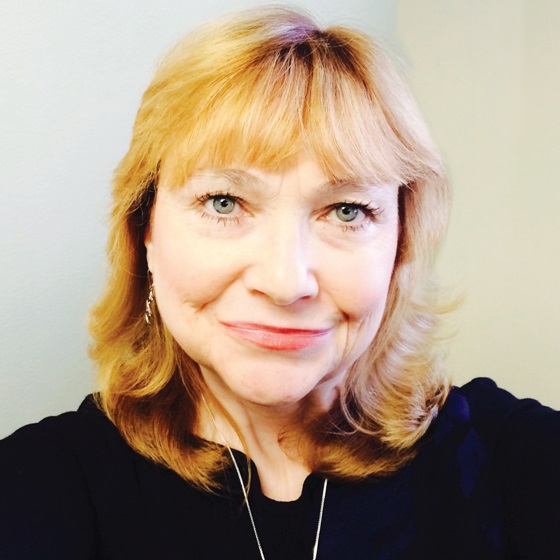
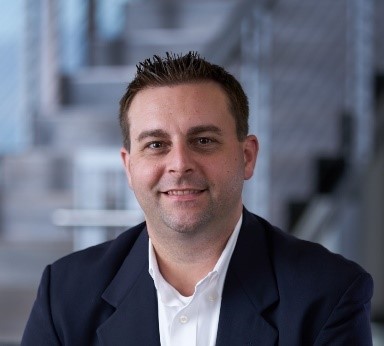
Carolyn Troiano has more than 35 years of experience in computer system validation in the tobacco, pharmaceutical, medical device and other FDA-regulated industries. She has worked directly, or on a consulting basis, for many of the larger pharmaceutical and tobacco companies in the US and Europe. She is currently building an FDA computer system validation compliance strategy at a vapor company. Carolyn has participated in industry conferences, and is currently active in the Association of Information Technology Professionals (AITP), and Project Management Institute (PMI) chapters in the Richmond, VA area. Carolyn also volunteers for the PMI’s Educational Fund as a project management instructor for non-profit organizations.
Upcoming Webinars


By Don Phin
Date: Nov. 3, 2026
By Pete Tosh
Date: Nov. 4, 2026
By Bruce Lee
Date: Nov. 4, 2026


By Donna K Olheiser
Date: Nov. 5, 2026

By Carolyn Troiano
Date: Nov. 6, 2026

By William Mack Copeland
Date: Nov. 6, 2026

By Edwin Waldbusser
Date: Nov. 9, 2026

By Dev Strischek
Date: Nov. 9, 2026

By Paul Pelletier
Date: Nov. 10, 2026

By Cathy Horwitz
Date: Nov. 10, 2026
By Lesley Crook
Date: Nov. 13, 2026



By Dr. Susan Strauss
Date: Nov. 16, 2026


By Dr. Bill Trombetta
Date: Nov. 17, 2026

By Allen Evitts
Date: Nov. 17, 2026

By David Nettleton
Date: Nov. 17, 2026
By Charles H. Paul
Date: Nov. 19, 2026
By Diane L. Dee
Date: Nov. 19, 2026
By Abdelrahman Abdou
Date: Nov. 19, 2026

By Dr. Susan Strauss
Recorded Session


By Margie Faulk
Recorded Session
By Meredith Crabtree
Recorded Session

By Carolyn Troiano
Recorded Session

By Kelly Thomas
Recorded Session

By Rachelle D Souza
Recorded Session

By Marcia Zidle
Recorded Session


By Beverly Beuermann-King
Recorded Session
By Margie Faulk
DOL Reverses Course on Independent Contractor Rule for 2026! How Will Employers Adapt to the Change?
Recorded Session

By Mike Thomas
Recorded Session
By Marcia Zidle
Recorded Session

By Ritu Arora
Recorded Session
By Diane L. Dee
Recorded Session
By Dr. Susan Strauss
Recorded Session
By Diane L. Dee
Recorded Session
By Beverly Beuermann-King
Recorded Session
By Bruce Lee
Recorded Session
By Charles H. Paul
Recorded Session
By Marcia Zidle
Recorded Session


By Audrey Halpern
Recorded Session