Medical Device Hazard analysis following ISO 14971
FDA expects risk management to be part of a medical device design control program and a post-production risk management program to be in place. It recommends ISO 14971 as a guide and accepts it as a recognized standard. Of the techniques ISO 14971 describes, hazard analysis is the most powerful, because it looks at risks in normal operation as well as in fault conditions, while FMEA and FTA look only at faults and work better as reliability tools.
This 60-minute medical device hazard analysis webinar explains the process in detail. It clarifies terms such as hazard, hazardous situation, harm, causative event, ALARP, risk index, benefit/risk ratio and residual risk, then works step by step through a risk analysis template with examples.
You'll also see how to handle residual risk, bring human factors studies into the analysis, connect hazard analysis to the design program, and apply ISO 14971 principles to software risk management.
- Explain hazard analysis terms such as hazard, hazardous situation, harm and risk
- Follow the hazard analysis process using a template
- Recognize examples of each key term
- Work through hazard analysis examples step by step
- Handle residual risk and link risk level to CAPA and validation effort
- Apply ISO 14971 principles to software risk management
- FDA expectations for design control and post-production risk management
- ISO 14971 as an FDA-recognized standard
- Why hazard analysis is more powerful than FMEA and FTA for product safety
- Key terms: hazard, hazardous situation, harm, causative event, ALARP, risk index, benefit/risk ratio and residual risk
- Step-by-step walk-through of a risk analysis template
- Examples of hazards and hazardous situations
- Dealing with residual risk
- Integrating human factors studies into hazard analysis
- Integrating hazard analysis into the design program
- Using risk level to set the extent of CAPA investigations and validation effort
- Applying ISO 14971 principles to software risk management
FDA expects risks to be analyzed and mitigated as far as practical during product development, and a risk analysis is required in an FDA product submission. Hazard analysis is the strongest risk tool in ISO 14971, but its many new concepts make it confusing.
This session explains those concepts with examples so the process is clear. It suits engineers, engineering managers, regulatory staff and QA professionals. Handouts include hazard analysis forms and a hazard analysis report template.
- Engineer
- Engineering Manager
- Regulatory Personnel
- QA
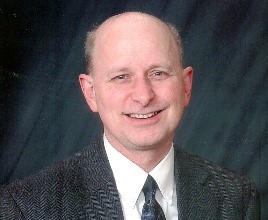
Edwin Waldbusser, is a consultant retired from industry after 20 years in management of development of medical devices (5 patents). He has been consulting in the areas of design control, risk analysis and software validation for the past 8 years. Mr. Waldbusser has a BS in Mechanical Engineering and an MBA. He is a Lloyds of London certified ISO 9000 Lead Auditor and a member of the Thomson Reuters Expert Witness network.
Upcoming Webinars

By Margie Faulk
Date: Nov. 2, 2026

By Dr. Sean Stein Smith
Date: Nov. 2, 2026


By Dr. Susan Strauss
Date: Nov. 2, 2026


By Don Phin
Date: Nov. 3, 2026
By Pete Tosh
Date: Nov. 4, 2026

By Bruce Lee
Date: Nov. 4, 2026



By Donna K Olheiser
Date: Nov. 5, 2026

By Carolyn Troiano
Date: Nov. 6, 2026

By William Mack Copeland
Date: Nov. 6, 2026

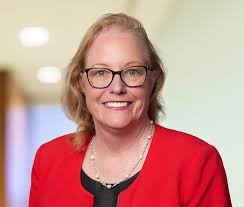

By Edwin Waldbusser
Date: Nov. 9, 2026

By Dev Strischek
Date: Nov. 9, 2026

By Cathy Horwitz
Date: Nov. 10, 2026
By Paul Pelletier
Date: Nov. 10, 2026

By Lesley Crook
Date: Nov. 13, 2026
By Dr. Susan Strauss
Date: Nov. 16, 2026



By David Nettleton
Date: Nov. 17, 2026

By Dr. Bill Trombetta
Date: Nov. 17, 2026

By Allen Evitts
Date: Nov. 17, 2026


By Diane L. Dee
Date: Nov. 19, 2026
By Abdelrahman Abdou
Date: Nov. 19, 2026
By Meredith Crabtree
Recorded Session

By Carolyn Troiano
Recorded Session

By Kelly Thomas
Recorded Session

By Rachelle D Souza
Recorded Session

By Marcia Zidle
Recorded Session


By Beverly Beuermann-King
Recorded Session
By Margie Faulk
DOL Reverses Course on Independent Contractor Rule for 2026! How Will Employers Adapt to the Change?
Recorded Session

By Mike Thomas
Recorded Session
By Marcia Zidle
Recorded Session

By Ritu Arora
Recorded Session
By Diane L. Dee
Recorded Session
By Dr. Susan Strauss
Recorded Session
By Diane L. Dee
Recorded Session
By Beverly Beuermann-King
Recorded Session
By Bruce Lee
Recorded Session
By Charles H. Paul
Recorded Session
By Marcia Zidle
Recorded Session


By Audrey Halpern
Recorded Session

By Marcia Zidle
Recorded Session

By Ronald L. Adler
Recorded Session