Managing Toxic & Other Employees Who Have Attitude Issues
Duration: 60 Minutes
Toxic employees do far more damage than their visible behavior suggests, harming people, productivity and the bottom line. This 60-minute webinar on managing toxic employees explains how they operate and what managers can do about it.
Some toxic employees use technical expertise to intimidate, flatter the right people while abusing others, and switch their behavior on and off to manage impressions. Organizations often make things worse by restructuring jobs around them, tolerating them for their expertise, not asking staff for feedback, or never spelling out which behaviors won't be tolerated.
Trying to change someone's attitude rarely works. You'll learn to focus instead on specific behaviors that affect others and use positive and negative consequences to shape them, at the individual, team and organization level.
- Describe the human and financial costs of toxic employees
- Distinguish attitudes, behaviors and the consequences managers control
- Recognize common toxic behaviors and how toxic employees manipulate others
- Avoid organizational reactions that enable toxicity
- Apply organization-wide, team and one-on-one strategies to address toxic behavior
- Explain why termination alone does not solve a toxic culture
1. Human and financial costs of toxic employees
- Chaos and unnecessary complexity
- Overt and covert damage
- Strife, stress and emotional damage
- Productivity, quality and financial losses
2. The A, B and C's of toxic employees
- Employee attitudes
- Employee behaviors
- Consequences managers can apply
3. The psyche of a toxic employee
- Frequently seen toxic behaviors
- Using star status and technical expertise to intimidate and manipulate
- The chameleon who knows whom to flatter and whom to abuse
- Turning toxicity on and off to manage impressions
- Three common forms of toxic behavior
4. Common reactions that often don't work
- Restructuring a job to accommodate the toxic employee
- Tolerating toxic employees who bring rare expertise or experience
- Not actively asking employees whether toxic behavior exists
- Not telling all employees which behaviors won't be tolerated and the consequences
5. Effective ways to address and prevent toxicity
- Organization-wide: making positive interpersonal behavior a value, rating it in performance appraisals, training leaders, behavior-based interview questions and exit interviews
- Department and team: behavior-specific standards, team discussions and role-plays, and 360-degree feedback
- One-on-one: stating clearly what is unacceptable and why, describing acceptable behavior, and getting the employee's commitment to change
- Frequent targeted feedback, executive coaches, progressive discipline and termination
- Why termination is not a cure-all: enabling culture may remain, resentment lingers and expertise is lost
Occasional gossip or complaining is common, but toxic employees show a pattern of counterproductive behavior. The research shared in this session shows 95% of employees have worked with a toxic coworker, 64% currently do, 50% have thought about quitting because of one and 12% actually did.
Anyone with managerial or leadership responsibility will learn practical ways to address toxic behavior, protect their team and prevent the problem from taking root.
Anyone with managerial or leadership responsibility
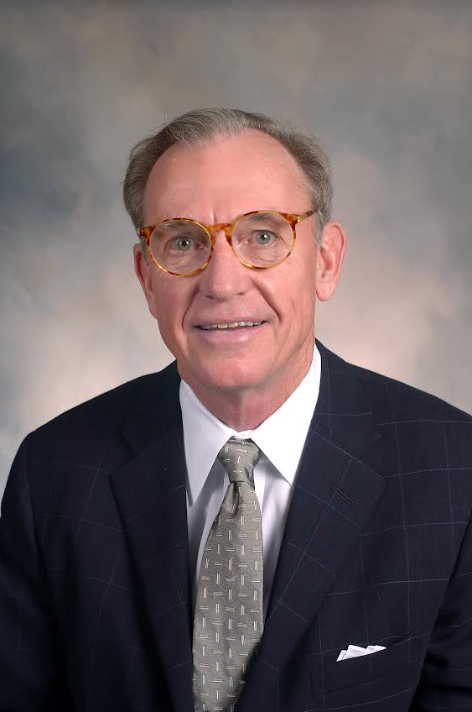
Pete Tosh is the Founder of The Focus Group, a management consulting and training firm that assists organizations in sustaining profitable growth through four core disciplines:
- Implementing Strategic HR Initiatives
- Maximizing Leadership Effectiveness
- Strategic Planning
- Enhancing Customer Loyalty
The Focus Group has provided these consulting and training services to manufacturing and service organizations across the U.S., Canada, Europe, and the Middle East. Pete has worked closely with the leadership teams of organizations such as Exxon, Brinks, EMC, State Farm, Marriott, N.C.I. YKK and Freddie Mac
Pete holds a B.A. degree in Psychology from Emory and Henry University and Masters degrees in both Business Administration and Industrial Psychology from Virginia Commonwealth University. Pete also co-authors Leading Your Organization to the Next Level: the Core Disciplines of Sustained Profitable Growth.
Upcoming Webinars

By Margie Faulk
Date: Nov. 2, 2026
By Dr. Sean Stein Smith
Date: Nov. 2, 2026



By Dr. Susan Strauss
Date: Nov. 2, 2026


By Don Phin
Date: Nov. 3, 2026
By Pete Tosh
Date: Nov. 4, 2026

By Bruce Lee
Date: Nov. 4, 2026



By Donna K Olheiser
Date: Nov. 5, 2026

By Carolyn Troiano
Date: Nov. 6, 2026

By William Mack Copeland
Date: Nov. 6, 2026


By Edwin Waldbusser
Date: Nov. 9, 2026

By Dev Strischek
Date: Nov. 9, 2026


By Cathy Horwitz
Date: Nov. 10, 2026

By Paul Pelletier
Date: Nov. 10, 2026


By Lesley Crook
Date: Nov. 13, 2026
By Dr. Susan Strauss
Date: Nov. 16, 2026



By David Nettleton
Date: Nov. 17, 2026

By Dr. Bill Trombetta
Date: Nov. 17, 2026

By Allen Evitts
Date: Nov. 17, 2026




By Diane L. Dee
Date: Nov. 19, 2026

By Abdelrahman Abdou
Date: Nov. 19, 2026

By Meredith Crabtree
Recorded Session

By Carolyn Troiano
Recorded Session


By Kelly Thomas
Recorded Session

By Rachelle D Souza
Recorded Session

By Marcia Zidle
Recorded Session


By Beverly Beuermann-King
Recorded Session
By Margie Faulk
DOL Reverses Course on Independent Contractor Rule for 2026! How Will Employers Adapt to the Change?
Recorded Session

By Mike Thomas
Recorded Session
By Marcia Zidle
Recorded Session


By Ritu Arora
Recorded Session
By Diane L. Dee
Recorded Session
By Dr. Susan Strauss
Recorded Session
By Diane L. Dee
Recorded Session
By Beverly Beuermann-King
Recorded Session
By Bruce Lee
Recorded Session

By Charles H. Paul
Recorded Session
By Marcia Zidle
Recorded Session


By Audrey Halpern
Recorded Session

By Marcia Zidle
Recorded Session


By Ronald L. Adler
Recorded Session