

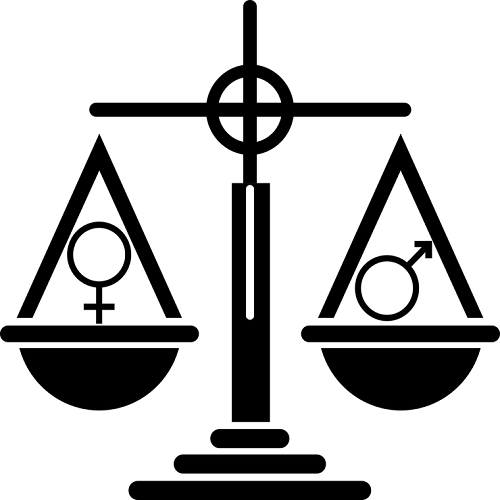
Gender discrimination in the workplace is too widespread to ignore. Workplaces and their cultures keep changing, yet serious problems such as gender discrimination, harassment and discrimination based on color still appear. Left unaddressed, they damage an organization’s value, productivity and efficiency. This article explains four steps employers can take to address gender inequality in the workplace.
1. Close the gender pay gap
It is important to understand how work differs between men and women, and just as important to recognize the pay gap between them. The pay gap has long been a source of gender inequality at work.
Women are often thought to be paid less than men because they have children, because they pursue different careers, or simply because “they don’t ask.” Being transparent about pay and paying employees equally for equal work can greatly reduce inequality.
2. Recognize performance and promote fairly
In many cases, outstanding work by women is not fully recognized or is ignored altogether. Traditional norms that tie women to household work can feed this bias.
Addressing unequal recognition, and other prejudices about women’s work, is central to ending gender inequality. A practical way to promote equality is to judge work by both genders on the same terms and make it equally visible.
3. Remove bias from recruitment and training
Biased recruitment and training still exist in many organizations. Biased recruitment means favoring one gender for a job that both women and men can do. Setting screening criteria that have no real link to the job description is one form of it.
A Stanford University study of firefighter recruitment looked at how candidates’ height was used as an eligibility criterion. The result was predictable. Women tend to be shorter than men, so they were screened out more often, even though height matters little to a firefighter’s endurance or judgment at an incident.
This is only one example, and similar bias shows up even in well-established firms. A formal set of relevant hiring criteria, based on performance and achievement rather than assumptions about gender, can reduce gender imbalance at work.
Unconscious bias training helps employers see how stereotypes may lead them to favor one gender when hiring. It exposes hiring managers to their own biases, offers better practices and helps end biased recruiting.
4. Build a culture that closes the gender gap
Harassment, bullying and slurs against colleagues have made headlines around the world in recent years. The most frequent targets are women in more junior roles than their male colleagues, and women of color in particular.
A positive organizational culture reduces harassment and creates a productive environment where women feel safe at work. Regular training can change how employees treat one another. A positive culture also brings more stability between genders and encourages respectful communication that helps close the gap.
Key takeaways
A workplace that gives men and women equal opportunity is more stable and more productive. It also creates a healthy, positive culture that motivates employees to work toward the organization’s future and their own.
Related Blogs
9 Ways to Improve Employee Engagement and Productivity at Work
Transforming Payments: Introducing FedNow - The Future of Real-Time Transactions
Related Industries
FDA Compliance
Medical Devices
Clinical Research
Audit Webinar
HR Compliance
Banking and Finance
Hospital and Healthcare
Packaging and Labeling
Accounting, Payroll and Taxation
Food and beverages
Software
Miscellaneous
Pharmaceutical